

5C
50 Cent Discography

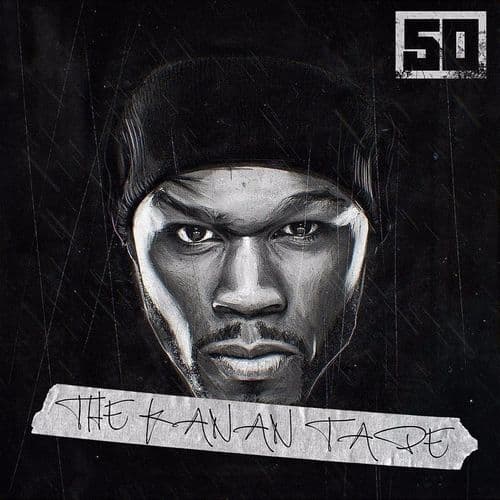


About 50 Cent
Curtis James Jackson III, known professionally as 50 Cent, is an American rapper, songwriter, actor, and entrepreneur whose work had a substantial impact on US rap in the early 2000s. Born on July 6, 1975, in the South Jamaica neighborhood of Queens, New York City, he emerged from the East Coast hip hop scene with a style rooted in gangsta rap, street narratives, and melodic hooks. His career trajectory—from local mixtape artist to global mainstream figure—helped shape the sound and business model of commercial rap during the 2000s.
50 Cent’s early life in Queens, marked by exposure to street culture and crime, directly informed the lyrical content and thematic focus of his music. He began rapping in the late 1990s, initially gaining attention in New York’s underground hip hop circuits. His early association with Jam Master Jay of Run-DMC provided foundational studio experience, including song structure, recording techniques, and performance discipline. However, his first major-label album attempt, *Power of the Dollar*, recorded for Columbia Records, was shelved following the 2000 shooting in which he was struck nine times. This incident became central to his public narrative and later artistic persona, influencing both the content and reception of his work.
After recovering, 50 Cent turned to mixtapes as his primary platform, a strategy that proved pivotal for his career. Releases such as *Guess Who’s Back?* and the mixtape *50 Cent Is the Future* circulated heavily in New York and beyond, showcasing his combination of aggressive delivery, street-oriented lyrics, and a strong sense for melody and hooks. These projects attracted the attention of Eminem and Dr. Dre, leading to a recording deal with Shady Records, Aftermath Entertainment, and Interscope Records. This partnership positioned 50 Cent at the center of US rap’s mainstream crossover moment in the early 2000s.
His official debut studio album, *Get Rich or Die Tryin’*, released in 2003, became one of the defining rap releases of its era. The album featured production from Dr. Dre and other high-profile producers and included hit singles such as “In da Club,” “21 Questions,” and “P.I.M.P.” Combining gangsta rap themes with radio-friendly choruses, the album brought hardcore East Coast rap into the pop charts on a large scale. Its commercial performance and cultural visibility established 50 Cent as a leading figure in US rap, and the project is frequently cited in discussions of classic 2000s hip hop albums.
Following this breakthrough, 50 Cent continued to release solo projects that reinforced his presence in mainstream rap. His second studio album, *The Massacre* (2005), extended his success with singles like “Candy Shop” and “Just a Lil Bit,” further blending explicit street content with club-oriented production and catchy hooks. The album’s sound combined elements of East Coast hip hop, gangsta rap, and pop-rap, reflecting a broader trend in US rap toward highly polished, crossover-oriented records. During this period, he also solidified his role as the leader of the G-Unit collective, working closely with artists such as Lloyd Banks, Tony Yayo, and Young Buck.
Over the course of his career, 50 Cent has released a total of 7 own projects, including studio albums and key compilations, and has appeared as a featured artist on at least 19 tracks by other performers. His featured appearances span collaborations with US rap, R&B, and pop artists, reflecting his flexibility within the hip hop ecosystem and his role in bridging hardcore rap with more mainstream forms. Features with artists like The Game, Eminem, and various G-Unit members helped define a particular sound associated with mid-2000s commercial rap: heavy, synth-driven beats, prominent bass lines, and an emphasis on memorable hooks.
Stylistically, 50 Cent is often associated with gangsta rap and hardcore hip hop, but his work is equally notable for its melodic sensibility. He frequently employs sing-rap flows, simple but effective chorus structures, and repetitive hooks designed for broad recognition. Lyrically, his songs focus on street survival, crime, wealth, power dynamics, and interpersonal conflict, often framed through first-person storytelling. His vocal delivery is typically laid-back but menacing, with a distinctive drawl and clipped phrasing that became a recognizable signature in US rap.
In addition to his core solo albums, 50 Cent’s discography includes soundtrack work and compilations that document different phases of his career. The semi-autobiographical film *Get Rich or Die Tryin’* (2005) came with a companion soundtrack that further expanded his catalog and featured collaborations with G-Unit and other artists. Later studio albums, including *Curtis* (2007) and *Before I Self Destruct* (2009), reflected both continuity and evolution in his sound, incorporating contemporary production trends while maintaining his established thematic focus on street narratives and personal resilience.
His 2014 album *Animal Ambition* showed an artist navigating a changing rap landscape, with US rap shifting toward new regional sounds and digital-first strategies. By this stage, 50 Cent’s influence was as much historical and structural as it was musical. His mixtape strategy, branding, and business ventures became reference points for subsequent generations of rap artists who sought to combine street credibility with mainstream visibility and entrepreneurial activity.
On March 31, 2017, 50 Cent released *Best Of 50 Cent*, a compilation that functions as an overview of his most commercially and culturally significant work. This release collects key tracks from across his catalog, including major singles and fan-recognized songs that illustrate his role in shaping 2000s US rap. As of that date, it stands as his latest major release, summarizing a period in which he was one of the most visible figures in global hip hop.
In terms of significance, 50 Cent is frequently referenced in discussions of early 21st-century rap for his role in popularizing a particular model of the rap star: a figure who blends gangsta rap authenticity, mainstream chart presence, and diversified business interests. His early 2000s output contributed to defining the sound of commercial East Coast rap, and his use of mixtapes as a strategic tool influenced how future artists approached release cycles, audience building, and label negotiations. His catalog of 7 own releases and extensive featured appearances provides a document of how US rap evolved from the CD era into the digital age.
Within the broader hip hop genre, 50 Cent’s work is situated at the intersection of traditional East Coast lyricism and the commercial imperatives of mainstream US rap. His emphasis on narrative realism, combined with a highly structured, hook-driven songwriting style, helped bridge underground credibility and pop accessibility. This dual positioning made him a central figure in the transition period when rap fully consolidated its status as a dominant global popular music form.
Overall, 50 Cent’s career illustrates the trajectory of a New York rapper who leveraged local mixtape credibility into international prominence, while helping to define the sound, marketing, and business architecture of 2000s US rap. His body of work, including his 7 releases and numerous featured appearances, continues to be referenced in discussions of gangsta rap, East Coast hip hop, and the evolution of commercially successful rap music.
50 Cent Unboxings
50 Cent Featured in
Tracks featuring 50 Cent, with links to releases.
- Gunz N SmokeonMissionary
- Office HoursonMagic 2
- Crack A BottleonCurtain Call 2
- The WooonShoot For The Stars, Aim For The Moon
- Remember The NameonNo. 6 Collaborations Project
- Drama Never EndsonSouthpaw (Soundtrack)
- Ballin'onThe Beast Is G Unit
- I'm GrownonThe Beast Is G Unit
- Bring My BottlesonThe Beast Is G Unit
- Boy BoyonThe Beast Is G Unit


